Constipation is not uncommon in many of the children I see in clinic, including my littlest of patients. It may be something that’s troubled them for quite sometime or be a fairly recent development. At times it may begin after a medication (such as antibiotics), when introducing solids, with a change in routine or even around toilet training.
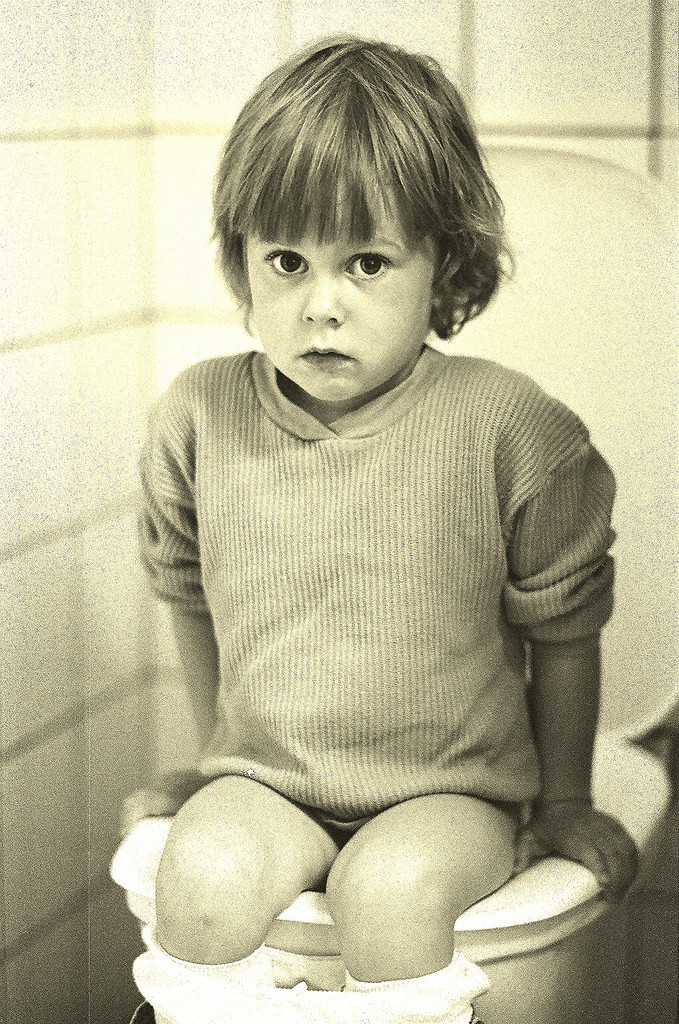
There are a few tell-tale signs that a child is suffering from constipation. They may:
- Be in obvious discomfort and have problems moving their bowels on a regular basis.
- Struggle to pass a stool when they go to the toilet
- Have a sensation of incomplete evacuation after going to the toilet.
- Complain of recurring tummy pains, intestinal bloating and excessive wind or flatulence
- Develop anal fissures (small tears in the skin from pushing hard poo)
- Avoid going to the toilet because it hurts too much to pass a stool (think holding on, crossing legs, squatting). This is often exacerbated after developing a fissure.
- Be more irritable
- Have a reduced appetite when they haven’t been for awhile
- And in some (more severe) cases there may be faecal leakage and soiling of their underwear
Underlying Cause or Functional Constipation?
With constipation, it’s always important to check there’s no underlying pathology like a parasite or small intestinal bacterial overgrowth (SIBO), or possibly even a structural problem such as a narrowing of the bowel. Stool testing, breath testing and abdominal X-rays are usually utilised to help rule these out. When there’s no obvious trigger to be found it’s called functional constipation.
Seeking effective help
My approach to childhood constipation is a combination of assessing and removing drivers (such as SIBO, parasites, dysbiosis, diet and dehydration) and helping develop healthy toileting habits. Often we need to work with many behavioural factors and fears around going to the toilet, whether rational or irrational.
While laxatives or stool softeners can be important in alleviating symptoms, they don’t help retrain the bowel and don’t help address why your child developed constipation in the first place, therefore preventing it’s recurrence. As such they should be used carefully, and as part of a more comprehensive treatment plan that addresses diet, behaviours and any underlying causes.
Regardless of whether your child has suffered with sluggish stools since birth, or its a recent occurrence, the good news is that there are lots of effective ways we can tackle constipation in children naturally, and I am here to offer plenty of support along the way.

Share the love
meet our team
Rebecca Poole has been in clinical practice since November 2002, and has a wealth of experience in all areas of health and wellbeing. Rebecca is renowned for her healing work with women as well as her online programs.
Kate Greenaway has been working in physiotherapy for over 35 years. For the last 20 years Kate has been developing specialised physiotherapy techniques utilising her extensive clinical work and research on the Connective Tissue.